

Introduction to Sleep Disorders
Sleep disorders affect millions of people and can significantly impact mental health, physical health, and quality of life. While occasional sleep difficulties are normal, chronic sleep problems warrant professional evaluation. Understanding the different types of sleep disorders is the first step toward getting proper treatment.
Common Types of Sleep Disorders
Insomnia is the most common sleep disorder, characterized by difficulty falling or staying asleep. It can be acute, lasting weeks, or chronic, persisting for months or years. Sleep Apnea involves breathing pauses during sleep, leading to poor sleep quality and daytime fatigue. Restless Leg Syndrome causes uncomfortable sensations in the legs that worsen at night. Narcolepsy is a neurological disorder causing excessive daytime sleepiness and sudden sleep attacks.
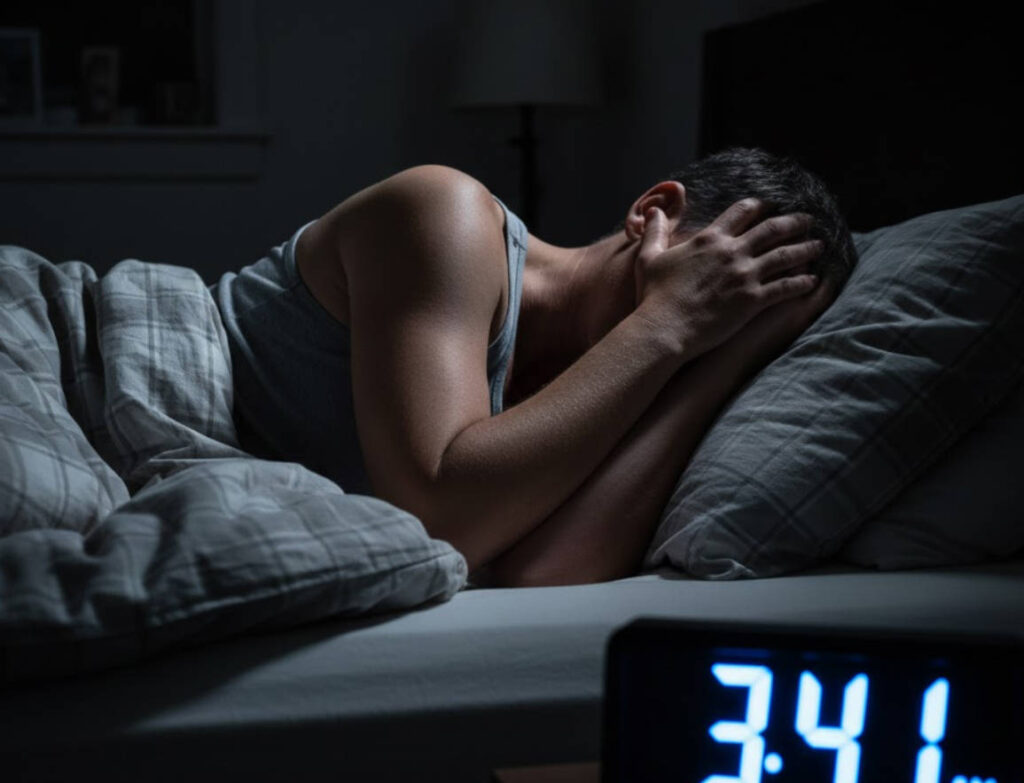
How Sleep Disorders Affect Mental Health
Chronic sleep deprivation is strongly linked to anxiety, depression, and mood disorders. Poor sleep impairs emotional regulation, increases irritability, and reduces resilience to stress. Conversely, many mental health conditions worsen sleep quality, creating a vicious cycle. Addressing sleep issues is therefore crucial for mental health treatment.
Recognizing Sleep Disorder Symptoms
Key warning signs include persistent difficulty falling or staying asleep, loud snoring or witnessed breathing pauses, excessive daytime sleepiness, uncontrollable movements during sleep, and early morning awakening. Additional symptoms include morning headaches, reduced concentration, mood changes, and impaired work or relationship functioning.
Diagnosis and Evaluation
If you suspect a sleep disorder, consult your primary care physician or sleep specialist. Evaluation typically includes a detailed sleep history, sleep diary, and potentially a sleep study (polysomnography). This comprehensive assessment identifies the specific sleep disorder and severity, guiding treatment decisions.

Treatment Options
- Behavioral Interventions
Cognitive Behavioral Therapy for Insomnia (CBT-I) is highly effective, addressing thoughts and behaviors that interfere with sleep. Sleep hygiene education, relaxation techniques, and stimulus control are key components. - Lifestyle Modifications
Regular exercise, consistent sleep schedule, avoiding caffeine and alcohol before bed, and creating an optimal sleep environment support better sleep. Light exposure management helps regulate circadian rhythms. - Medical Treatments
Depending on the disorder, treatments may include continuous positive airway pressure (CPAP) devices for sleep apnea, medications for narcolepsy, or short-term sleep aids for acute insomnia. Working with a sleep specialist ensures appropriate treatment. - Stress and Anxiety Management
Since stress exacerbates sleep problems, incorporating stress-reduction techniques like meditation, yoga, and relaxation exercises can improve sleep quality.
When to Seek Professional Help
Consult a healthcare provider if sleep problems persist for more than a few weeks, significantly affect daily functioning, cause safety concerns (such as drowsy driving), or occur alongside other health conditions. A sleep specialist can provide comprehensive evaluation and personalized treatment.
Conclusion
Sleep disorders are highly treatable conditions. Seeking professional help early prevents complications and improves your physical and mental health. Remember that quality sleep is essential for overall wellness and resilience.

